
Submitted Evidence Published on the EFRA Website here
1. Principles for Water Ownership
1.1 The public is concerned for the environment, public health and the impact of climate change on water scarcity. The driving force for redesigning our water system should be to secure the best model to secure a resilient sustainable water system to meet the demands of climate and population. The dominant discourse on the future of water remains primarily focused on the economics of transfer of ownership, rather than the best model for our current context that preserves and protects water, ensures water efficiency, and secures a sustainable and resilient water system for the future.
1.2 The People’s Commission report in July 2025 recommended a feasibility study into a modern ownership model, with public ownership at its core as this is proven to be cleaner, cheaper and fairer, and to deliver collaborative innovation. By exploring international water systems, the report identified what works and what doesn’t work, which should be the basis for any redesign in this country taking an evidence-based approach rather than relying on assumptions and prejudice. These principles are summarised here:
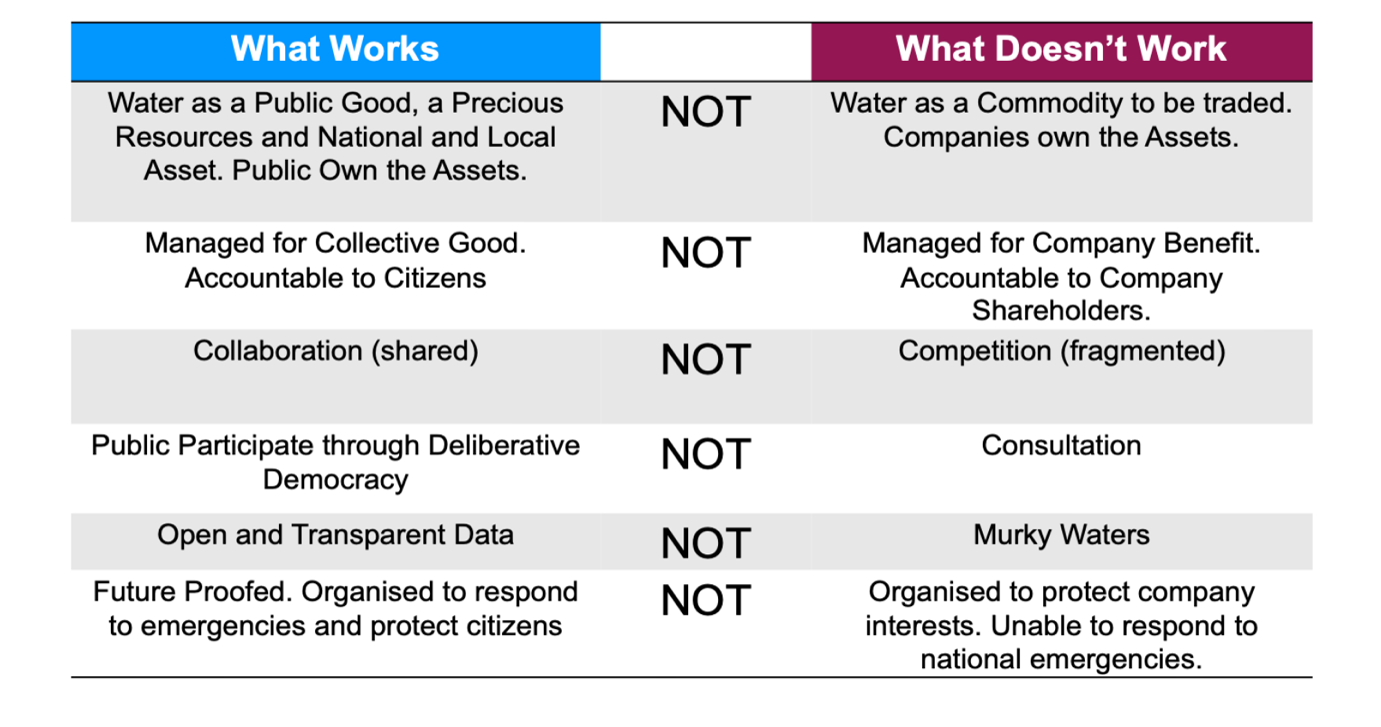
Fig 1: Principles for Determining Ownership (Malby 2026)[1]
1.3 Fundamental to any redesign of ownership is the need to move from water as a commodity to be traded, with the public as passive customers; to water as a vital resource for health, wealth and the environment, to be protected and managed in the nation’s interests with the public as owners and collaborators.
2. Change is Possible
2.1 Whilst the government persists in asserting that moving to public ownership would be expensive and take too long, the People’s Commission found a growing body of evidence of water supply systems successfully, and quickly taken back into public ownership after a period of privatisation (whilst steel was recently nationalised almost overnight, the evidence for water is that taking time for good preparation and public buy-in are key to success). Delays may result from water companies exerting strong lobbying pressure to delay or disrupt public ownership as was the case in both Berlin and Paris.
2.2 Defra has not investigated the ongoing comparative costs of public ownership v private ownership[2].
2.3 In the face of a strong water company lobby countries that have moved successfully to public ownership exerted strong political will.
3. Options for Ownership
3.1 Three options for ownership currently in discussion are:
1. Propping up privatised water with one regulator. Privatisation has brought the water sector to its knees, with the public (consumers) and the environment paying the price. The People’s Commission found that no amount of regulation can work in a monopoly privatised sector. This fails the ‘what works’ test at every level with water continuing to be a commodity to be traded rather than an asset vital to health, wealth and our future.
2. Replacing each water company with a Mutual on the same footprint. This fails the ‘what works’ test keeping water as a commodity and will test the public’s tolerance as creditors walk away with public funds.
3. Public ownership with creditors taking a real haircut and water managed as a national asset, with full democratic decision-making. Despite multiple assertions by the government that this is unaffordable the reality is modern public ownership is the cheapest options for the public. This meets the ‘what works’ test with water as a national asset and resource.
3.2 The government persists in referring to the public as customers[3] an ideology that prevents a full understanding of the lessons from more successful international models. This approach is challenged by overwhelming public outrage and action that has catalysed the national debate on water, making it a repeated election issue. The public increasingly realise that they pay for water but have no say in the future of water. In the face of increasing disruption in supply and pollution that impacts lifestyles, business and the environment the public’s tolerance of being cornered into the role of powerless consumers has worn out.
3.3 There appears to be a lack of imagination of and ambition for a better water system that works in the current context
4. The Structure of Public Ownership
4.1 Any new ownership model must not revert to or copy models that have not and are not working but be based on the very best evidence and lessons from those countries with experience of transition, whilst also advancing the government’s key commitment to devolution. The structure offered here is not a cast in stone answer, but provides an example of how a modern public ownership could be structured to support the EFRA Committee in securing a more ambitious approach to the future ownership of water
4.2 The structure meets the ‘what works’ test from the principles above.
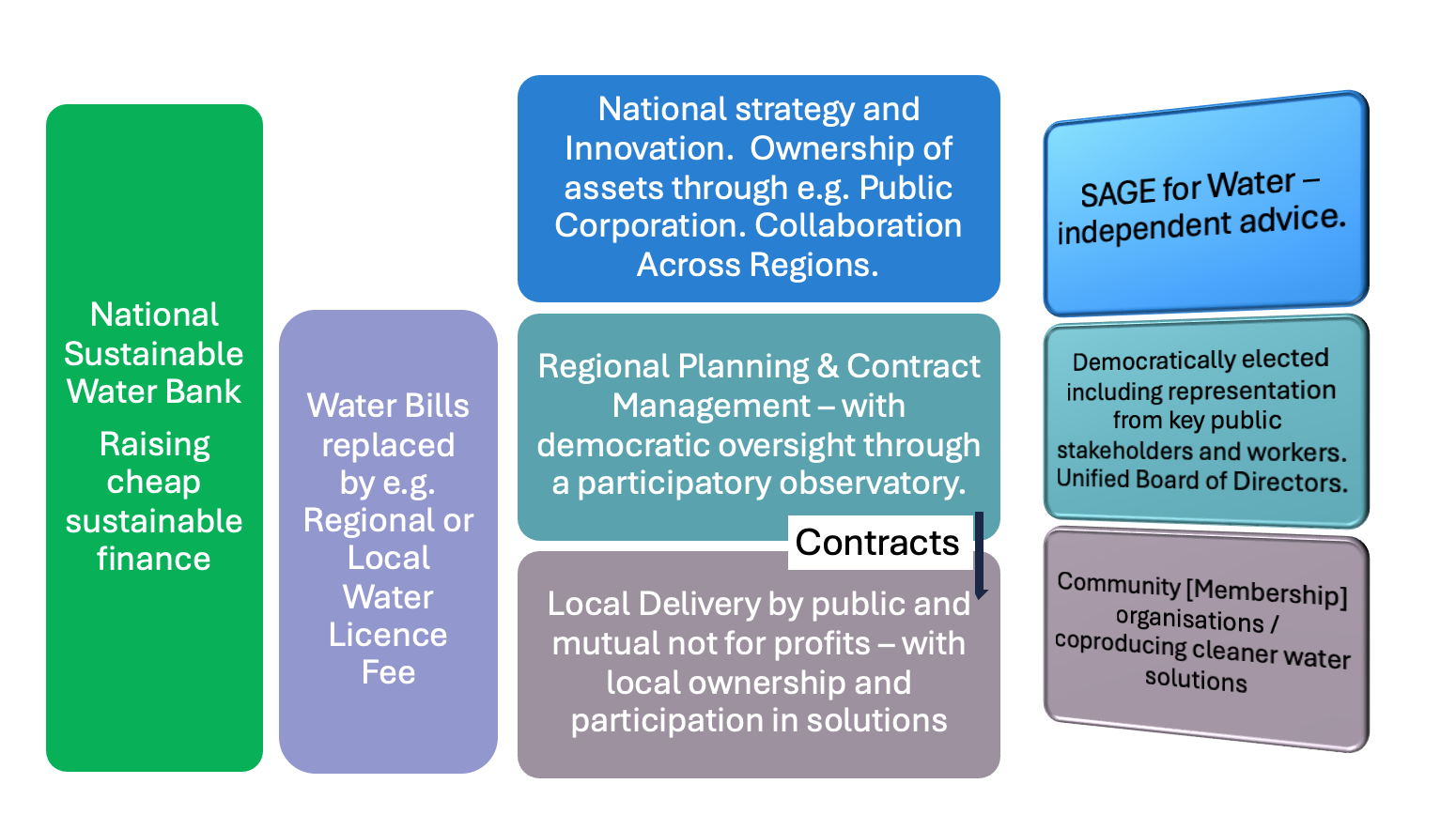
Fig 2 Example structure for re-democratised public ownership of water
(a) National Strategy for Water with an independent advisory body (SAGE for Water) as recommended by the People’s Commission.
(b) National ownership of the assets with collaboration at the heart of a network of regional bodies, and a national ‘Institute’ to harness and spread innovation bringing together research, practice and users.
(c) Water bills converted to a ring-fenced license fee for water, paid at regional or national level. If paid regionally then an overhead for national strategy is built into the regional fee. This prevents funds being diverted to other public services.
(d) Investment is secured through a national water bank raising safe cheap funds from patient investors (e.g. pension funds) to secure sustainability.
(e) Regional body (water authority) commissioning and managing local service delivery, with catchment-based planning.
(f) Regional body held to account by a participatory observatory[4] bringing public representatives and stakeholders, together with interdependent sectors (e.g. building) to secure water resilience.
(g) Local delivery of services through not-for-profit organisations (can be mutuals) on time limited contracts, with local ownership and participation in local solutions. This could separate drinking water and wastewater into separate organisations.
(h) Development of active water citizenship building on the public appetite already evident in campaign groups to actively contribute to their environment.
4.3 The government needs to be bold and take action that will ensure we can cope with impending water scarcity, and rampant pollution; delivering the best value with the public and putting our money to work to improving our water sector.
Prof Becky Malby, October 2026
[1] https://www.thepeoplescommissiononthewatersector.co.uk/blog/the-plan-to-clean-up-england-and-wales-water-industry-ignores-the-sectors-biggestnbspproblem-5csjy-aztdc-8rsay-dd73r-c25h5-zp937-29dl9-gc8re
[2] Peoples Commission (2026) The Government does not know the costs of public ownership. Blog.https://www.thepeoplescommissiononthewatersector.co.uk/blog/blog-post-title-one-8ma2e-sdats-c4epz
[3] https://hansard.parliament.uk/commons/2026-09-14/debates/0E4845C2-E1B3-4BBB-8A08-6C7E05BD78DD/WaterSectorPublicOwnership
[4] See examples of participatory observatories in France